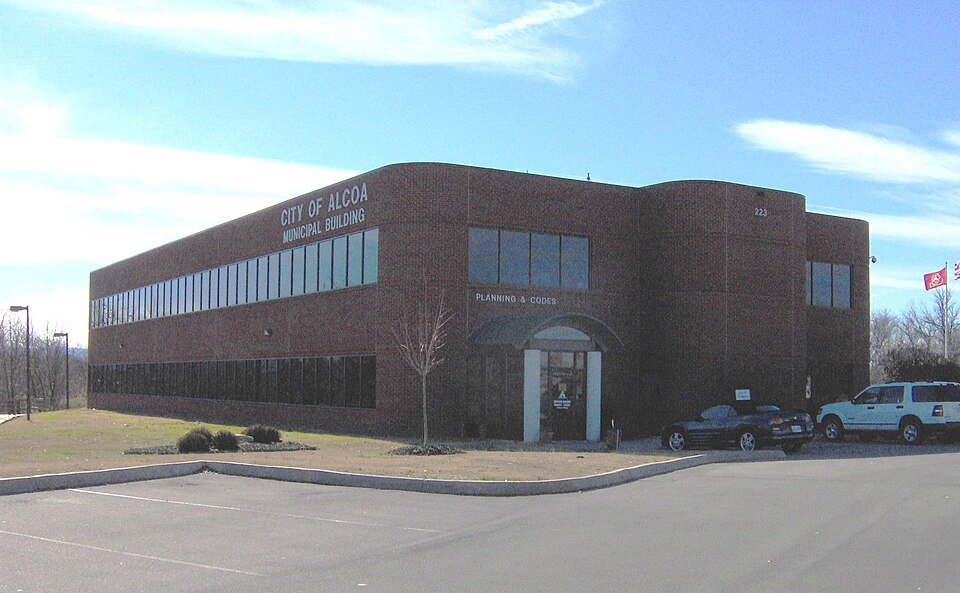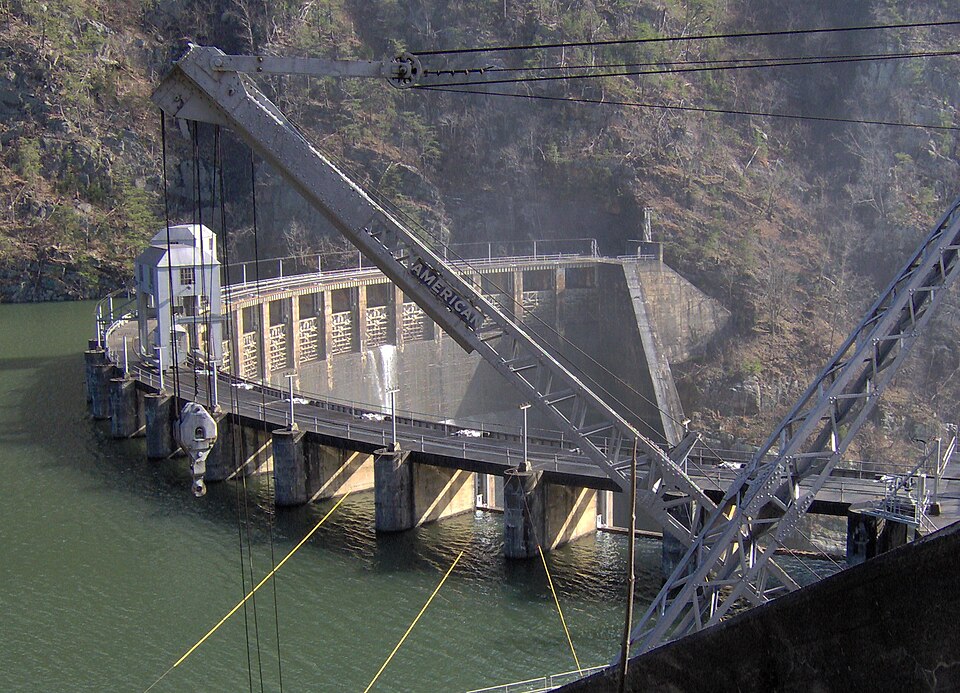
Every resident of Alcoa, Tennessee knows that the city takes its name from the Aluminum Company of America (ALCOA), which began acquiring farmland in the "North Maryville" area of Blount County in 1910, broke ground on its South Reduction Plant in 1913, poured its first Blount County metal on March 6, 1914, and incorporated the planned industrial city of Alcoa on July 1, 1919. Fewer people realize that the reason Alcoa became one of the metallurgical capitals of the twentieth-century world had nothing to do with local bauxite ore—and everything to do with the rushing mountain waters of the Little Tennessee River.
The Hall-Héroult Electrolytic Process and the Quest for Gigawatts
Before Charles Martin Hall (in Oberlin, Ohio) and Paul Héroult (in France) independently discovered the electrolytic reduction of alumina dissolved in molten cryolite in 1886, metallic aluminum was more expensive to refine per ounce than silver—famously chosen in 1884 to cap the apex of the Washington Monument as a rare precious metal! The Hall-Héroult process made industrial production possible, but smelting a single pound of aluminum required enormous, uninterrupted direct electrical current.
To feed its new Blount County potlines in Alcoa, the company (operating through its hydroelectric subsidiary, the Knoxville Power Company and later the Tallassee Power Company / Tapoco) engineered one of the most ambitious private hydroelectric networks in American history deep in the gorge of the Little Tennessee River:
- The Cheoah Dam (Completed April 1919): Situated just across the state line in Graham and Swain Counties, North Carolina, Cheoah Dam was the world's highest overflow dam when completed in 1919, sending high-voltage power over the Great Smoky Mountains crest directly to the Alcoa reduction plant.
- The Santeetlah Dam (Completed 1928) & Calderwood Dam (Completed 1930): Named for Isaac Glidden Calderwood, the legendary engineer who oversaw ALCOA's Little Tennessee River survey camps beginning in 1910–1912, Calderwood Dam in Blount and Monroe Counties generated power via a 2,100-foot tunnel blasted through solid mountain rock down to its powerhouse on the river below.
- Chilhowee Dam (Completed 1957): Completed the four-dam Tapoco hydroelectric system that powered Alcoa's South, West, and North Plants through World War II and the Cold War aerospace boom.
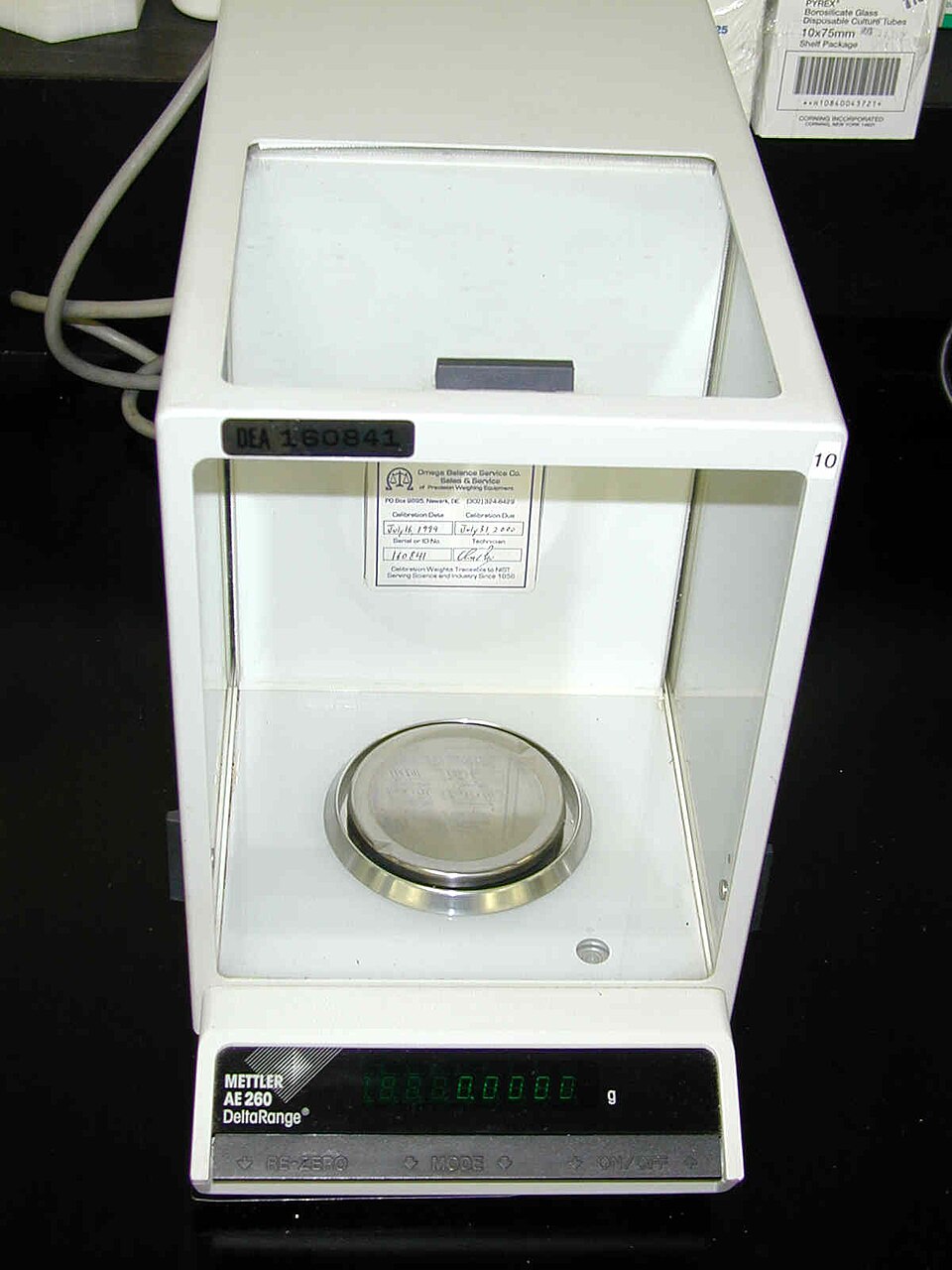
Know exactly what your jewelry and estate pieces are worth before visiting any buyer. Sort your items at home using a JSP 10K–22K Gold & Silver Acid Testing Kit, inspect worn stamps with a 10x Hastings Triplet Jeweler's Loupe, and weigh in true grams and troy ounces on a 0.01g Digital Jeweler Scale.
A City Built by Metallurgists, Lab Technicians, and Skilled Tradesmen
Because Alcoa has been home for more than a century to thousands of metallurgists, electrical technicians, machinists, and chemical engineers—alongside retirees from neighboring Oak Ridge and Maryville—local residents understand alloy compositions, specific gravity, and precious metal weights better than almost any community in Tennessee. When you bring karat gold, sterling silver, or platinum to Alcoa Gold Buyers, we treat you with the technical precision and transparency this community deserves.